Why low average power matters more than dramatic peak wattage?

TL;DR Q&A block
Does GEME use a lot of electricity in daily life?
The honest answer is: it uses a dynamic load, not one fixed number. Public guidance gives Terra 2 and GEME Pro reference figures, but real use changes with feed volume, moisture, ambient temperature, and how often you add scraps.
What matters more: peak wattage or average power?
Average power matters more for real ownership because it tells you how the machine behaves most of the day, while peak wattage only tells you the upper ceiling at certain moments. GEME’s public hard-parameter sheet explicitly gives both average and peak figures for that reason.
How is GEME different from a high-heat batch machine?
The official site says Terra 2 uses minimal power to maintain temperature and only ramps when new waste is detected; it is described as “not a constant heater.” That means the system is trying to maintain a living operating window, not blast heat all day.
Why can electricity use vary from one home to another?
Because this is a living process. Power demand changes with what you add, how wet it is, how much you add at once, how often you open the lid, and how cold the room is. The Terra 2 manual also states that power consumption may increase in low temperatures to maintain microbial activity.
What is the public reference for Terra 2 and GEME Pro?
The locked external parameter sheet allows Terra 2 to be stated as Average 60W / Peak 360W / Daily avg ~1.5 kWh and GEME Pro as Average 60W / Peak 500W / Daily avg ~1.85 kWh. Terra 2 is publicly positioned at 2 kg/day, while GEME Pro is publicly positioned at 5 kg/day.

90-second truth
The question most people really mean is simple: will this feel expensive to run every day? The honest answer is that GEME’s electricity use is dynamic, not fixed. Terra 2 and GEME Pro both have public reference numbers, but the machine does not sit at one rigid wattage all day. Real use changes with what you feed, how wet the scraps are, how much you add, how often you add, and how cold the room is. Official guidance already notes that power consumption can rise in lower temperatures to maintain microbial activity.
That is why average power matters more than peak wattage in daily life. Peak wattage tells you the maximum the system can draw at certain moments. Average power and daily energy use tell you what ownership actually feels like over time. GEME’s public hard-parameter sheet allows Terra 2 to be described as Average 60W / Peak 360W / Daily avg ~1.5 kWh, while GEME Pro is Average 60W / Peak 500W / Daily avg ~1.85 kWh. The official site also explains that Terra 2 uses minimal power to maintain temperature and only ramps when new waste is detected, “not a constant heater.”
Kitchen Fit Check
Q1. What do you care about more?
- Lower daily electricity burden in a normal household
- More throughput headroom even if the system is larger
Q2. What does your kitchen actually generate?
- Steady daily scraps, ordinary family cooking
- Heavier, wetter, or more unpredictable loads
Q3. Which would bother you more?
- A machine that looks efficient on paper but feels tight in real life
- A machine with more capacity than you really need
Result A: You sound like a Terra 2 household.
If your kitchen fits a 2 kg/day daily pattern and you want the agile household-core model, Choose GEME Terra 2.
Result B: You likely need more headroom.
If your kitchen behaves more like a larger family, office, or heavier-load environment, Choose GEME Composter Pro.
Result C: You mainly want the logic.
If you want to understand why daily energy matters more than one dramatic wattage number, see How GEME Works.
One-line takeaway: the best energy question is not “What is the highest number?” It is “What does this machine spend most of its day doing?”
Quick decision
Choose Terra 2 if:
- you are a 1–3 person household,
- your daily waste fits a 2 kg/day envelope,
- and you want the everyday core model rather than maximum headroom.
Choose GEME Pro if:
- your load is larger or less predictable,
- you want 5 kg/day throughput headroom,
- or you care more about margin and longer maintenance positioning than compactness.
One-line takeaway: Electricity numbers only make sense when read next to daily capacity, workload rhythm, and headroom.
👉 Learn More About GEME Terra II
👉 Explore GEME Pro for Big Households/Plant Shops/Restaurants
Why it matters
1. Customers pay for daily behavior, not for spec-sheet theater
The biggest wattage number on a page is emotionally loud, but it is often the least useful number for real ownership. Homes are billed by energy over time. What matters to a customer is not whether a machine can briefly reach a higher load, but whether the machine spends most of its life drawing modest power or brute-force heat. GEME’s public parameter sheet already reflects this logic by publishing average and daily figures, not just peak. Terra 2 is publicly lockable at Average 60W / Peak 360W / Daily avg ~1.5 kWh; GEME Pro at Average 60W / Peak 500W / Daily avg ~1.85 kWh.
2. This is a living system, so the load is naturally dynamic
The official site describes Terra 2 as using minimal power to maintain temperature and only ramping when new waste is detected, “not a constant heater.” That one sentence matters because it explains the whole energy philosophy: the machine is not trying to hammer the chamber with continuous maximum heat. It is trying to maintain a biological operating window, then respond dynamically when the chamber state changes.
From first principles, that means power draw changes when:
- the incoming scraps are wetter,
- the volume is larger,
- the feed pattern is more frequent,
- the chamber needs more recovery work,
- or the room is colder and the system needs more support to keep microbes active. The Terra 2 manual explicitly notes that in temperatures below 3°C / 37°F, power consumption may increase to maintain microbial activity.
3. The process is biological, so the electrical load is naturally dynamic
This is the part many customers intuitively understand once it is explained plainly. GEME is not just running a heater. It is supporting a dynamic biological process inside a controlled aerobic chamber. That means internal heat does not come only from electricity. As the microbiota become active, the process itself contributes to maintaining the operating state. But because this is a living system, the power demand also changes with what you feed it: wetter loads, colder rooms, larger input bursts, and more frequent additions can all change the workload. That is why the honest message is not “here is one fixed number forever.” The honest message is: here is the normal operating profile, and here is why it can move.
Why the energy story starts with the bill, then moves to biology
One-line takeaway: users deserve a cost answer first, then a process answer. Most customers do not begin with a thermodynamics question. They begin with a utility-bill question. That is correct. A good article should answer that first: GEME does not sit at peak power all day; it uses a dynamic load, and the public average and daily numbers are the best starting point for understanding real ownership. Only after that should the article explain why the load behaves that way.
The “why” is that GEME is maintaining a living process. Biological activity, airflow, moisture, room temperature, and control response interact constantly. That is why public energy use is presented as a practical reference, not as a cartoonishly fixed promise.
Terra 2 deep dive
One-line takeaway: Terra 2 is the right energy fit when the household itself is the right size.
Terra 2 is publicly positioned as the agile household-core system for 1–3 people at 2 kg/day. Its public reference numbers—Average 60W / Peak 360W / Daily avg ~1.5 kWh—make sense when read inside that intended household envelope. If your kitchen is actually a Terra 2 kitchen, the machine’s energy story is straightforward: dynamic load, moderate daily burden, and no need to buy extra headroom you will not use.
That is the first-principles point: the most efficient machine is often the one that matches the real workload, not the one with the smallest isolated number.
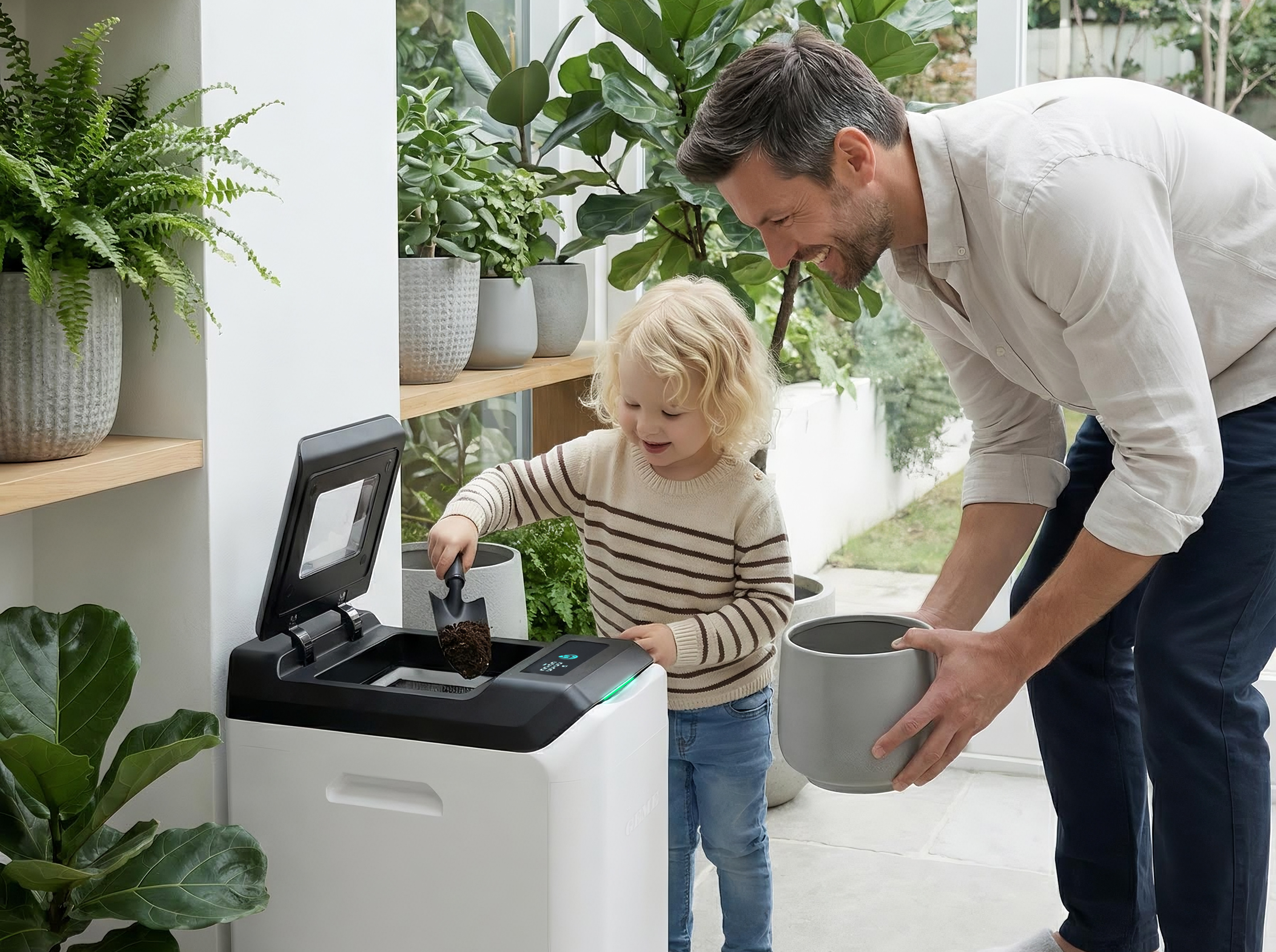
GEME Terra II: Best Kitchen Composter
✅ Best Composter With Permanent Filter
✅ Biologically Active Composting System
✅ Quiet, Odour-Free, Real Compost
✅ Zero Filter Costs, No Refills
✅ Reduces Composting Time to Days
GEME Pro deep dive
One-line takeaway: Pro’s energy numbers should be read against its much larger workload margin.
GEME Pro is publicly positioned at 5 kg/day, with public hard-parameter guidance of Average 60W / Peak 500W / Daily avg ~1.85 kWh. The wrong reading is “the peak is higher, so it must be wasteful.” The better reading is “it keeps the same average-power philosophy while giving a much larger operating envelope.” If your kitchen actually needs that throughput, the extra headroom can reduce overload behavior, reduce hidden friction, and make the whole system feel more efficient in practice.
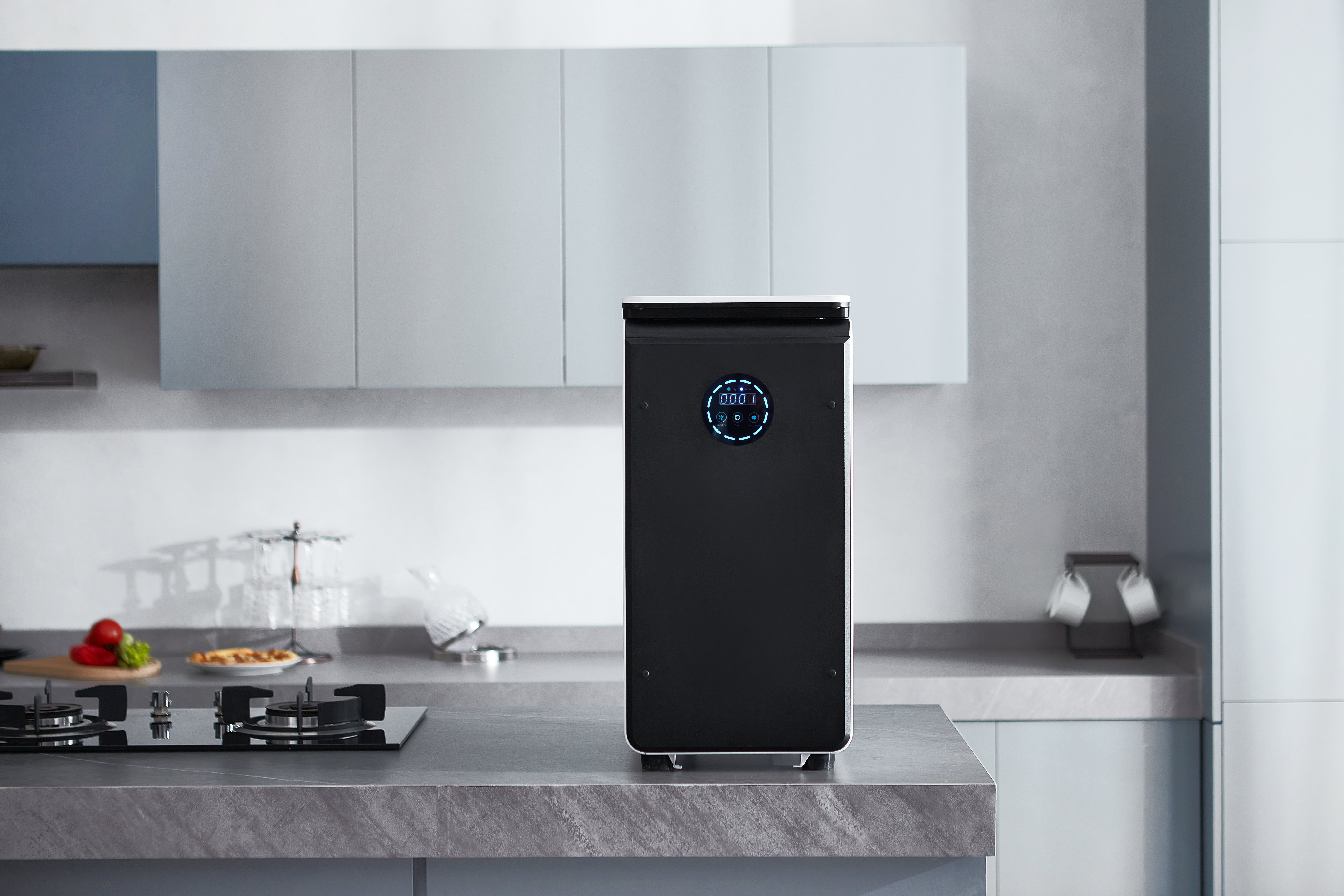
GEME Pro Composter
✅ Best Composter With No Hidden Costs
✅ Produce Soil-Ready Compost For Plant Growth
✅ Quiet, Odor-Free, Quick(6-8 hours)
✅ Large Capacity (19 L) For Daily Waste
Hidden work vs. headroom
One-line takeaway: efficiency is partly about electricity, and partly about how much management the machine demands.
A machine can look energy-efficient on paper and still create hidden work if it is undersized. That hidden work becomes:
- splitting loads,
- pausing scraps more often than expected,
- watching moisture too closely,
- and creating avoidable edge-condition behavior.
That is why capacity and energy should always be read together. Terra 2 is the right choice when Terra 2 is enough. GEME Pro is the right choice when extra headroom prevents a constant low-level fight with your own waste volume. In real life, headroom is often part of efficiency.
Practical decision rules
One-line takeaway: choose the model that keeps your bill and your workflow sane.
- Choose Terra 2 if your household is in the 2 kg/day range and you want the everyday core model.
- Choose GEME Pro if your load is consistently larger, wetter, or less predictable and you need 5 kg/day headroom.
- Do not judge the machine by peak wattage alone.
- Start with average power, daily energy, and your actual kitchen load.
- Expect real-world variation if the room is colder or the scraps are wetter.
Copy/paste checklist
- I care more about what the machine costs to run daily than about one dramatic peak number.
- I understand that GEME uses a dynamic load, not one fixed wattage.
- I understand that colder rooms and wetter scraps can increase energy use.
- I will choose Terra 2 or GEME Pro based on daily capacity and headroom, not peak alone.
- I understand that average power is a better guide to real ownership.
Frequently Asked Questions
Q: Does GEME use a fixed amount of electricity all day?
A: No. Public guidance describes a dynamic system that maintains temperature and ramps when new waste is detected, rather than running at one fixed load all day.
Q: Why is average power more important than peak wattage?
A: Because average power better reflects what the machine typically uses over time, while peak wattage only shows the upper limit at certain moments.
Q: What is Terra 2’s public reference energy profile?
A: The external hard-parameter sheet allows Terra 2 to be stated as Average 60W / Peak 360W / Daily avg ~1.5 kWh.
Q: What is GEME Pro’s public reference energy profile?
A: The external hard-parameter sheet allows GEME Pro to be stated as Average 60W / Peak 500W / Daily avg ~1.85 kWh.
Q: Does cold weather affect GEME’s power use?
A: Yes. The Terra 2 manual says power consumption may increase in low temperatures to maintain microbial activity.
Q: Is Terra 2 a constant heater?
A: No. The official site explicitly describes its energy behavior as dynamic cycling and says it is “not a constant heater.”
Q: What is the daily capacity of GEME Terra 2 and GEME Composter Pro?
A: Terra 2 is publicly positioned at 2 kg/day. GEME Pro is publicly positioned at 5 kg/day.
Q: Does a higher peak wattage mean a better machine?
A: Not by itself. It only tells you the maximum draw ceiling, not how the machine behaves most of the day.
Q: What should customers compare first?
A: Compare daily capacity, average power, daily energy, and real kitchen workload before looking at peak wattage alone.
GEME Terra II: Best Kitchen Composter
✅ Best Composter With Permanent Filter
✅ Biologically Active Composting System
✅ Quiet, Odour-Free, Real Compost
✅ Zero Filter Costs, No Refills
✅ Reduces Composting Time to Days
GEME Pro Composter
✅ Best Composter With No Hidden Costs
✅ Produce Soil-Ready Compost For Plant Growth
✅ Quiet, Odor-Free, Quick(6-8 hours)
✅ Large Capacity (19 L) For Daily Waste
Related Articles
Can an Electric Composter Handle Salt & Oil? (Boundaries + Best Practices)

Get $100 OFF: GEME Composter Discount Codes on Amazon for Earth Day, 2026
How to Avoid Food Poisoning Related to Leftovers: The Science Behind Leftover Food
GEME Composter vs DIY Bokashi: Which Should You Choose?
Permanent Odor Control: Catalyst Path vs. Disposable Carbon
GEME Composter Review 2026: Real Compost, No Filter costs
Why is the GEME chassis intentionally heavier than a typical countertop appliance?

How to Plant Tulips in Spring

How to Compost at Home: A Complete Beginner's Guide
What Can You Put in an Electric Composter? Meat, Dairy, Bones (Clear Rules + Hard Limits)

Can an Electric Composter Handle Salt & Oil? Boundaries for Real Leftovers (Without the Myths)
Mastering the GEME Cycle: An Agronomist’s Guide to Continuous-Flow Compost Application
Countertop Composter Is a Misnomer: Where an Electric Composter Actually Belongs in a Real Kitchen
Top 5 Electric Composters on Amazon: 2026 Buyer’s Guide
GEME Terra II: The Pros and Cons
Top 5 Kitchen Composters: Pros and Cons
GEME Composter Review: Best Indoor Composter 2026
The Best Kitchen Composter Verdict 2026
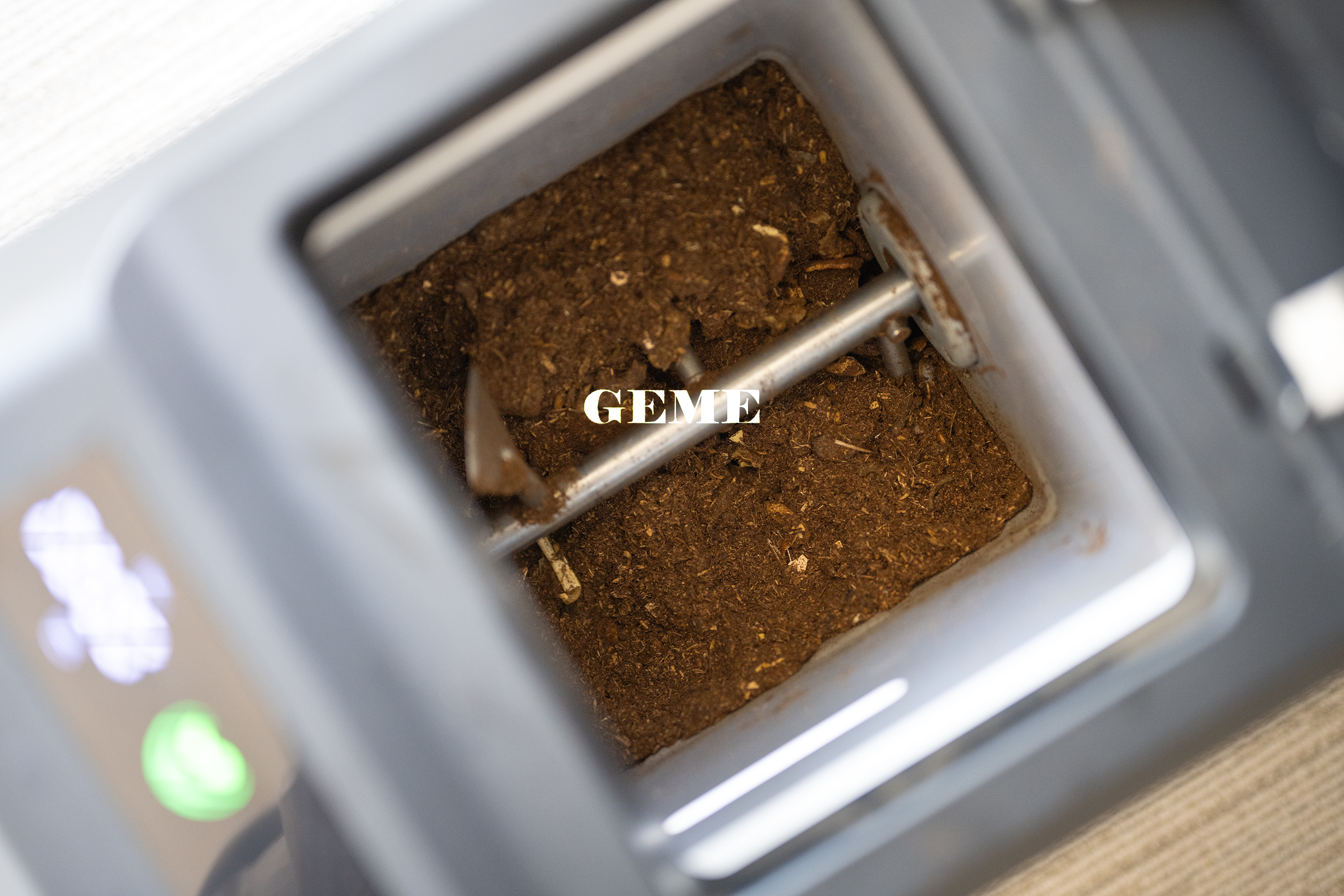
The Best Composter for Avoiding Recurring Fees: GEME Terra 2 vs. Lomi, Mill, and Reencle

Can I Compost Cut Flowers?
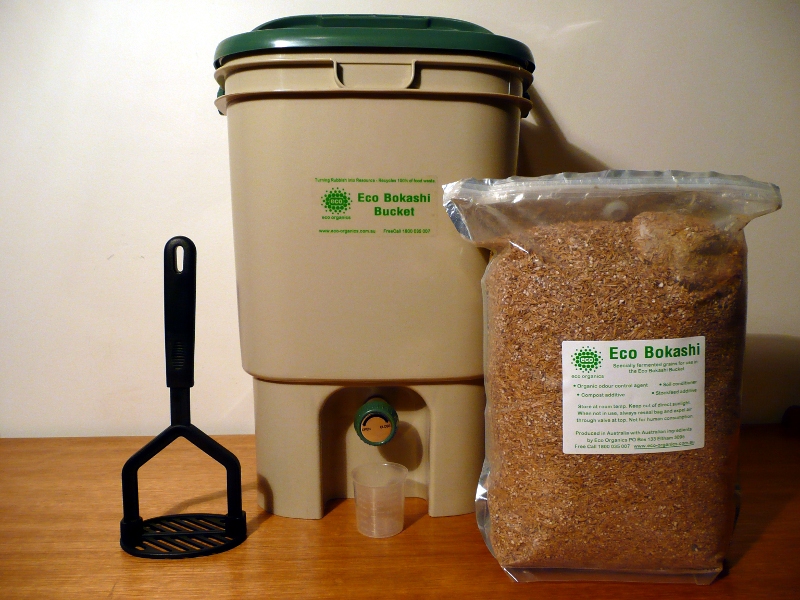
How Long Does Bokashi Take to Compost?

How to Care For Hydrangeas And Change Their Colors
The Best Composter: Daily Operation Comparison (Lomi, Mill, Reencle, GEME)

How Long Does Pizza Last In The Fridge? The Ultimate Leftover Safety Guide
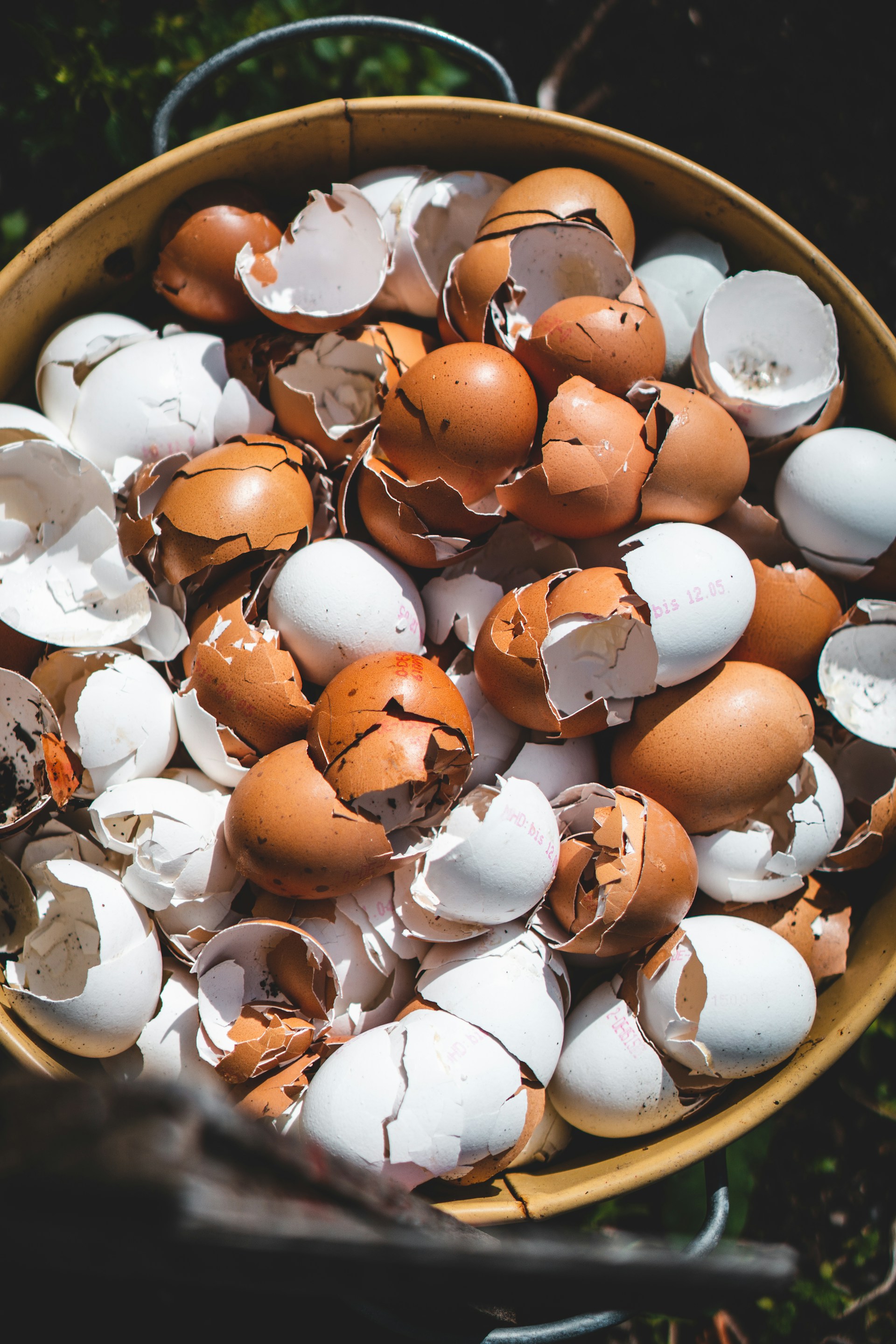
How to Compost Eggshells: The Ultimate Guide to Calcium Gold for Your Garden
How to Compost Coffee Grounds: The Ultimate Guide for Your Garden
Never Buy Carbon Filters for Your Composter

The Best Composter for Fastest Real Compost
How to Compost at Home for Beginners: The Ultimate 2026 Guide

How Long Can Chicken Stay in the Fridge? The Ultimate Guide to Safety, Spoilage, and Sustainable Disposal

How to Reduce Odor: Practical Tips for Indoor Composting That Actually Work
How Long Can Ground Beef Stay In The Fridge
Breaking News: NYC Fines for Food Waste Are Back, 2026
The Best Composter For Small Kitchen

How to Reduce Food Waste During Holiday: A Sustainable Spring Festival Guide
Reencle vs. GEME: The Ultimate Microbial Composter Showdown
Does Mill Composter Really Compost? Honest Review & Best Kitchen Composter Guide 2026
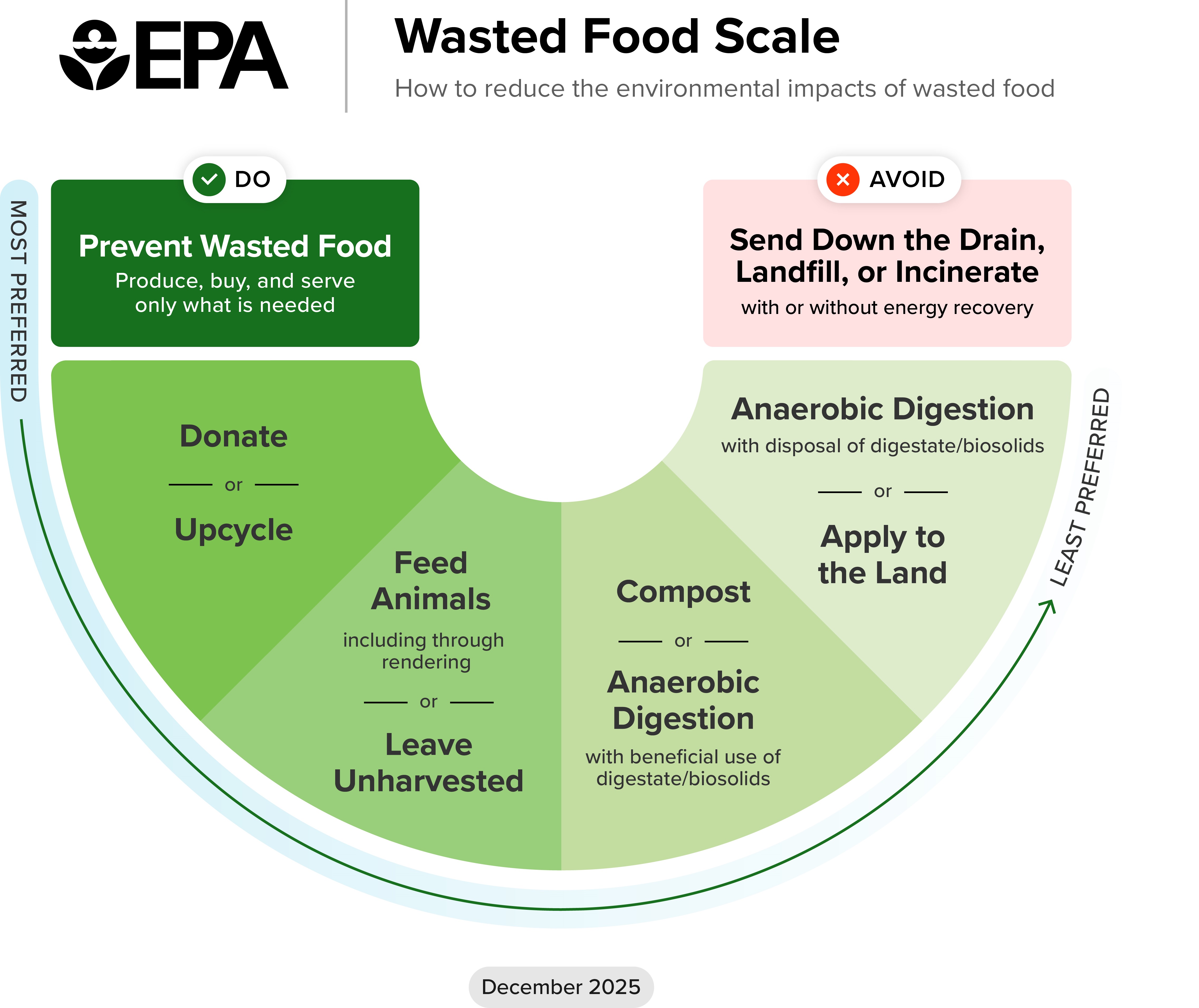
How to Reduce Food Waste at Home (Best Solution 2026)

McDonald’s Free Caviar Kits Raise Concerns of Food Waste | 2026 Composting Insights
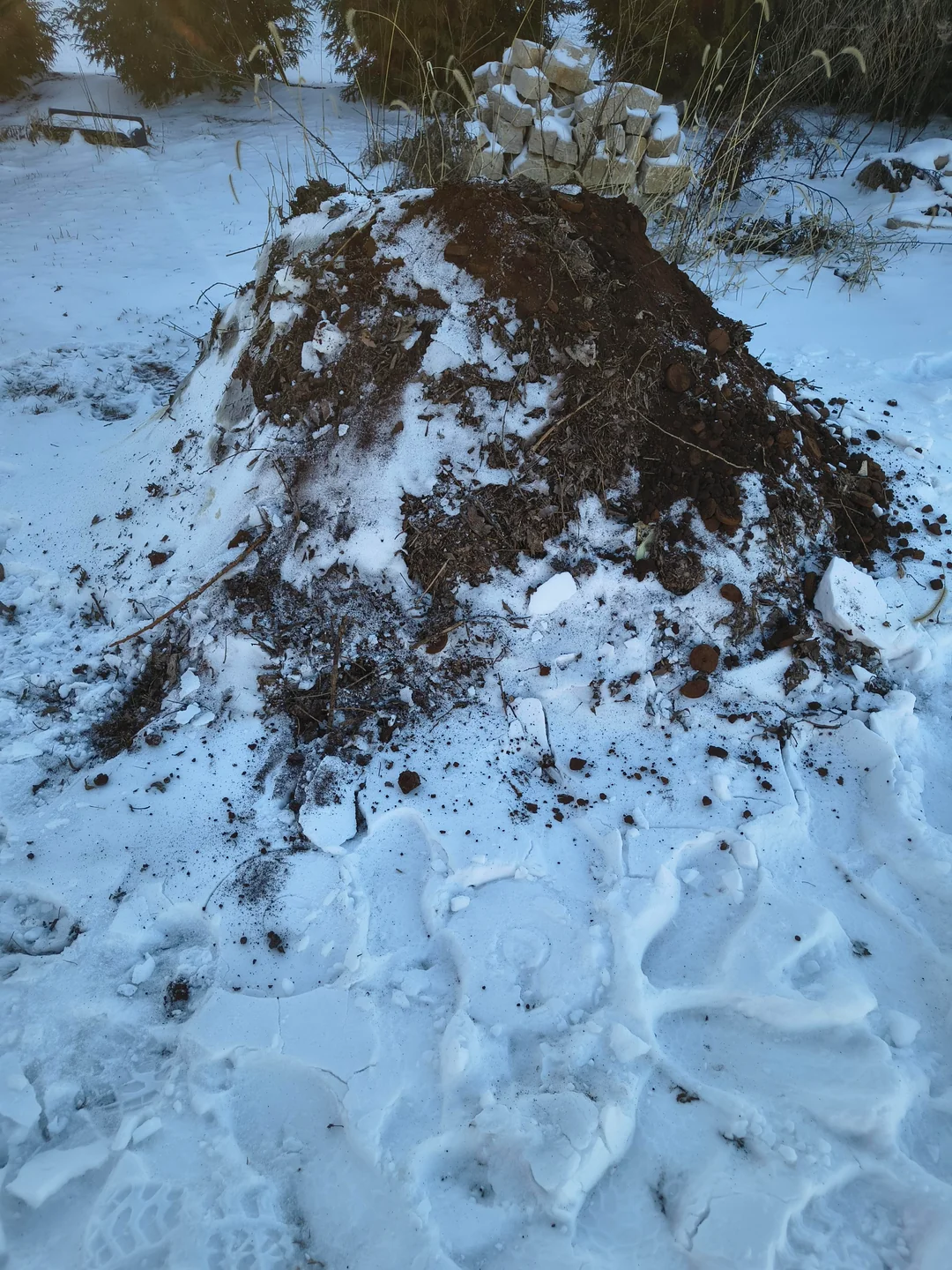
Winter Composting Crisis: How the 2026 Bomb Cyclone Makes Indoor Composting Essential
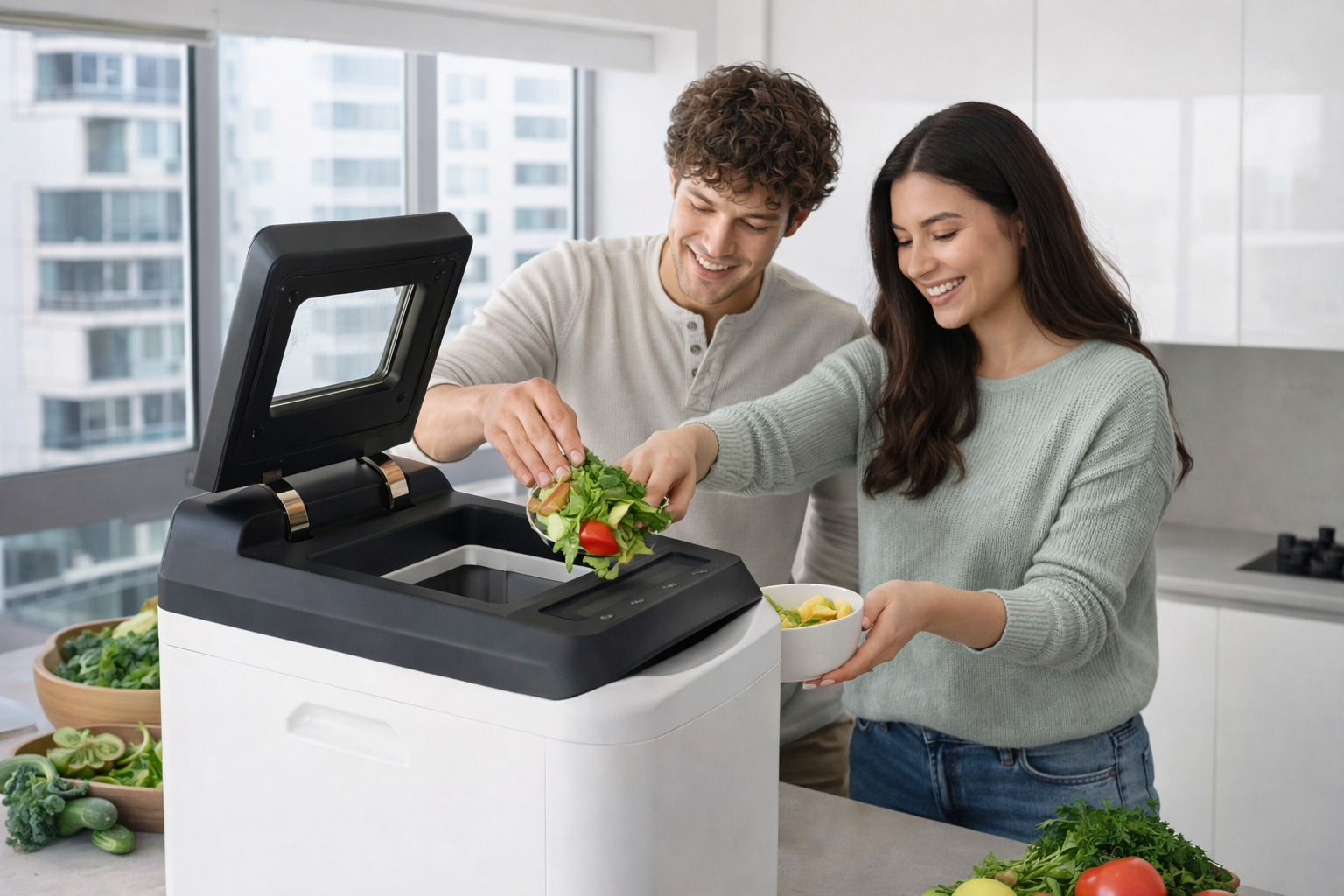
How to Compost in an Apartment (Best Solution 2026)

Zero-Waste Lifestyle Starts in Your Kitchen: How to Reduce Food Waste with GEME Terra 2 (Best Kitchen Composter Guide)
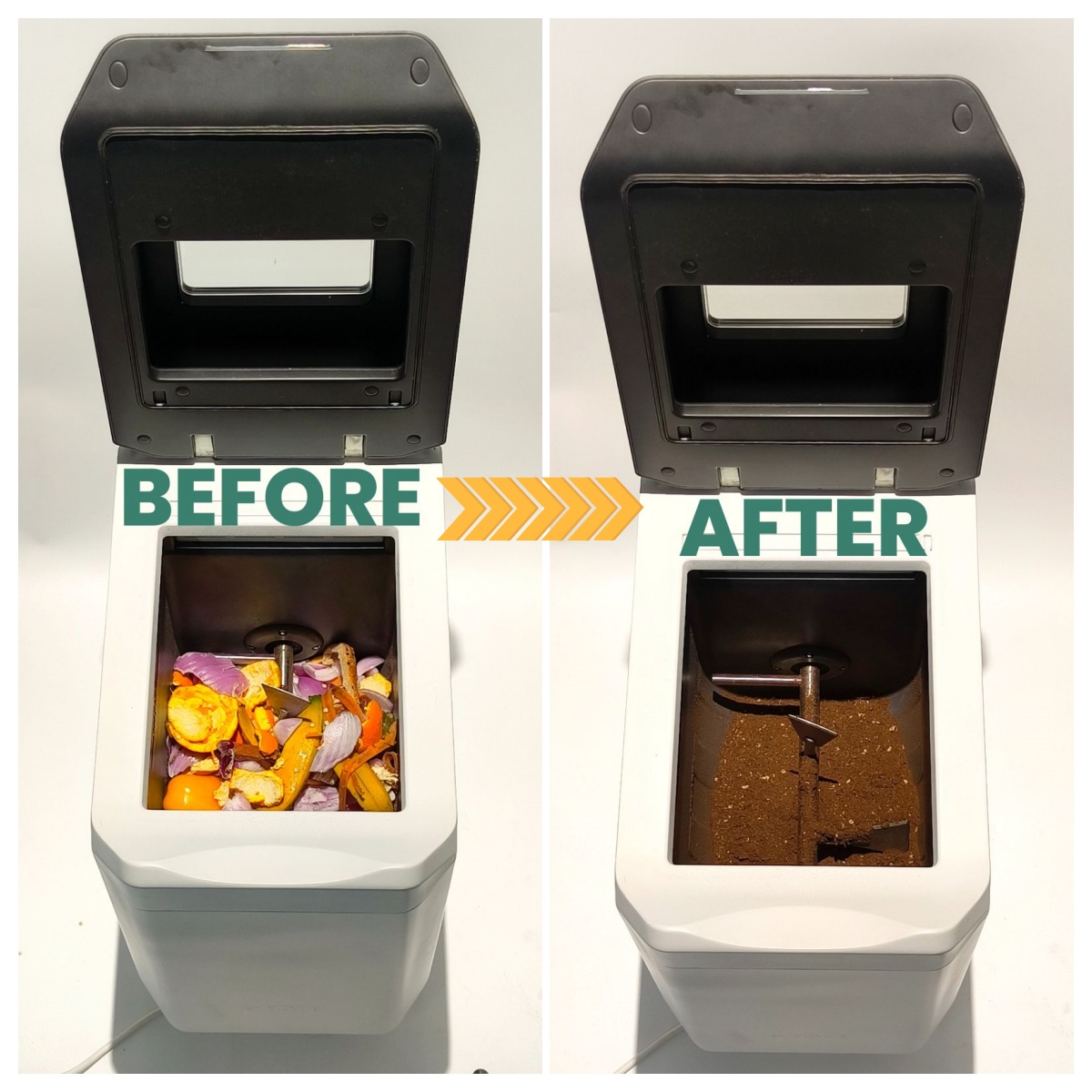
Does the Lomi Composter Really Compost? Lomi vs GEME Terra 2
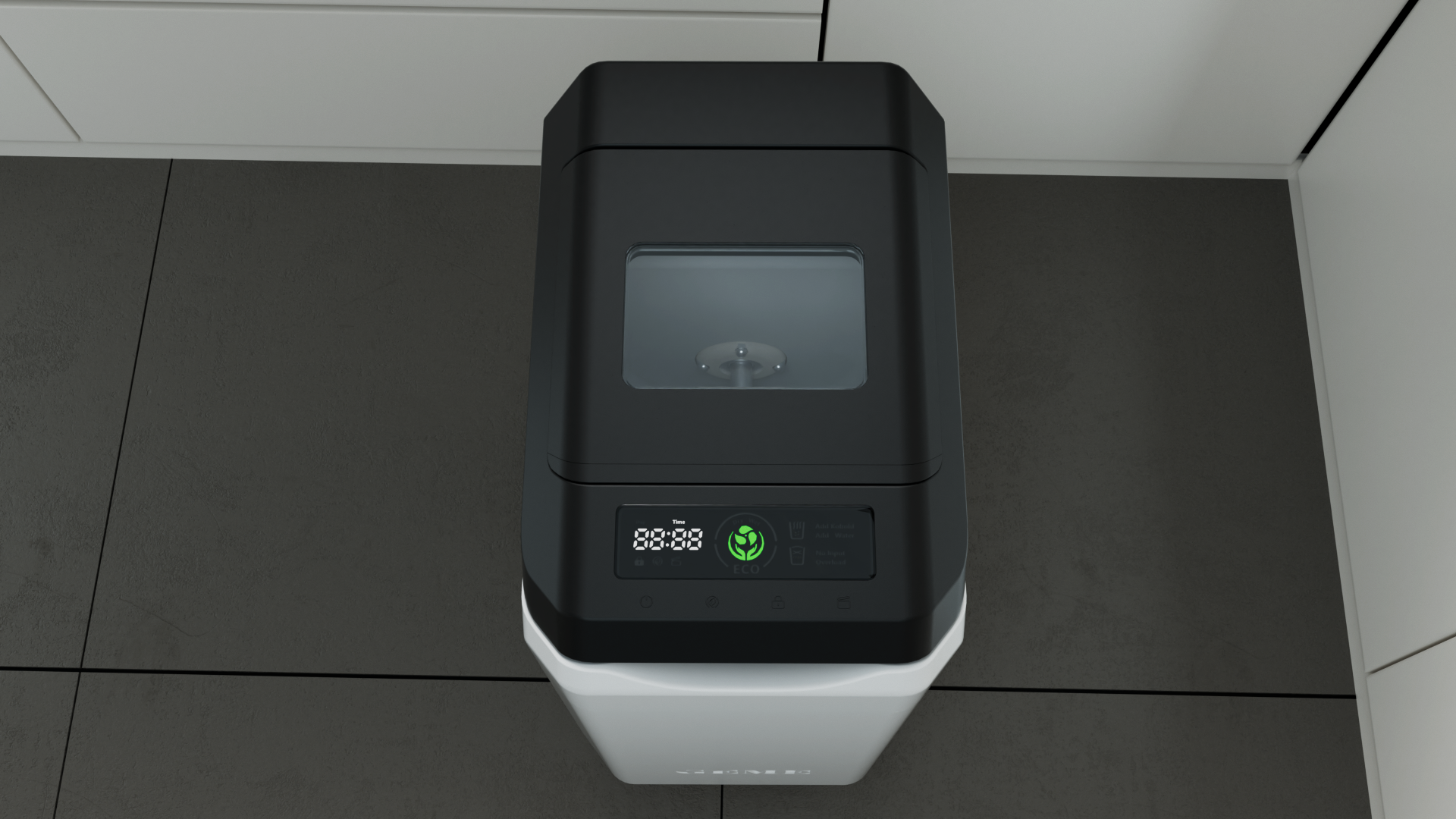
Top 5 Kitchen Composters in 2026
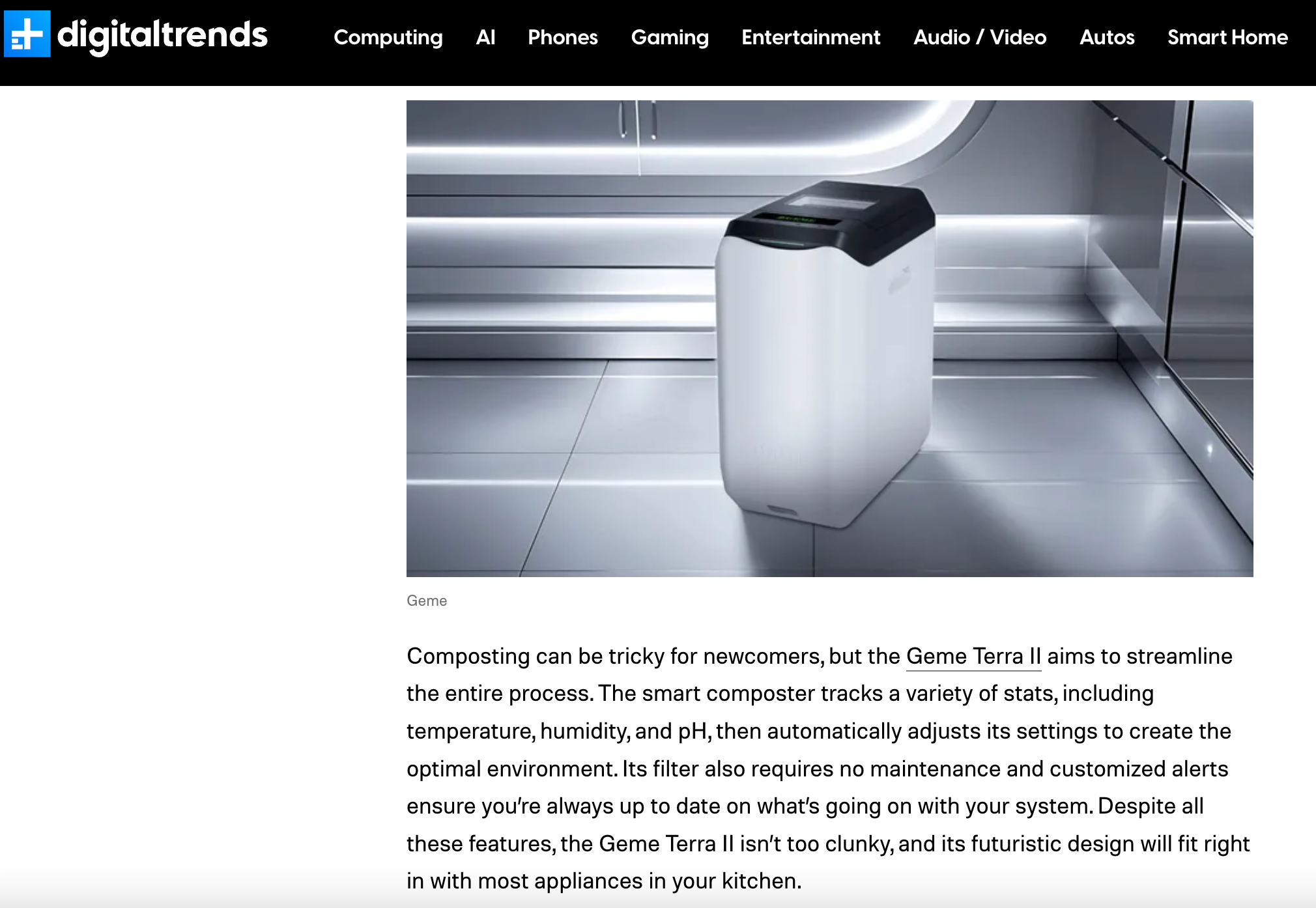
Best Kitchen Composters in 2026: GEME Terra II Redefines “Real Compost”
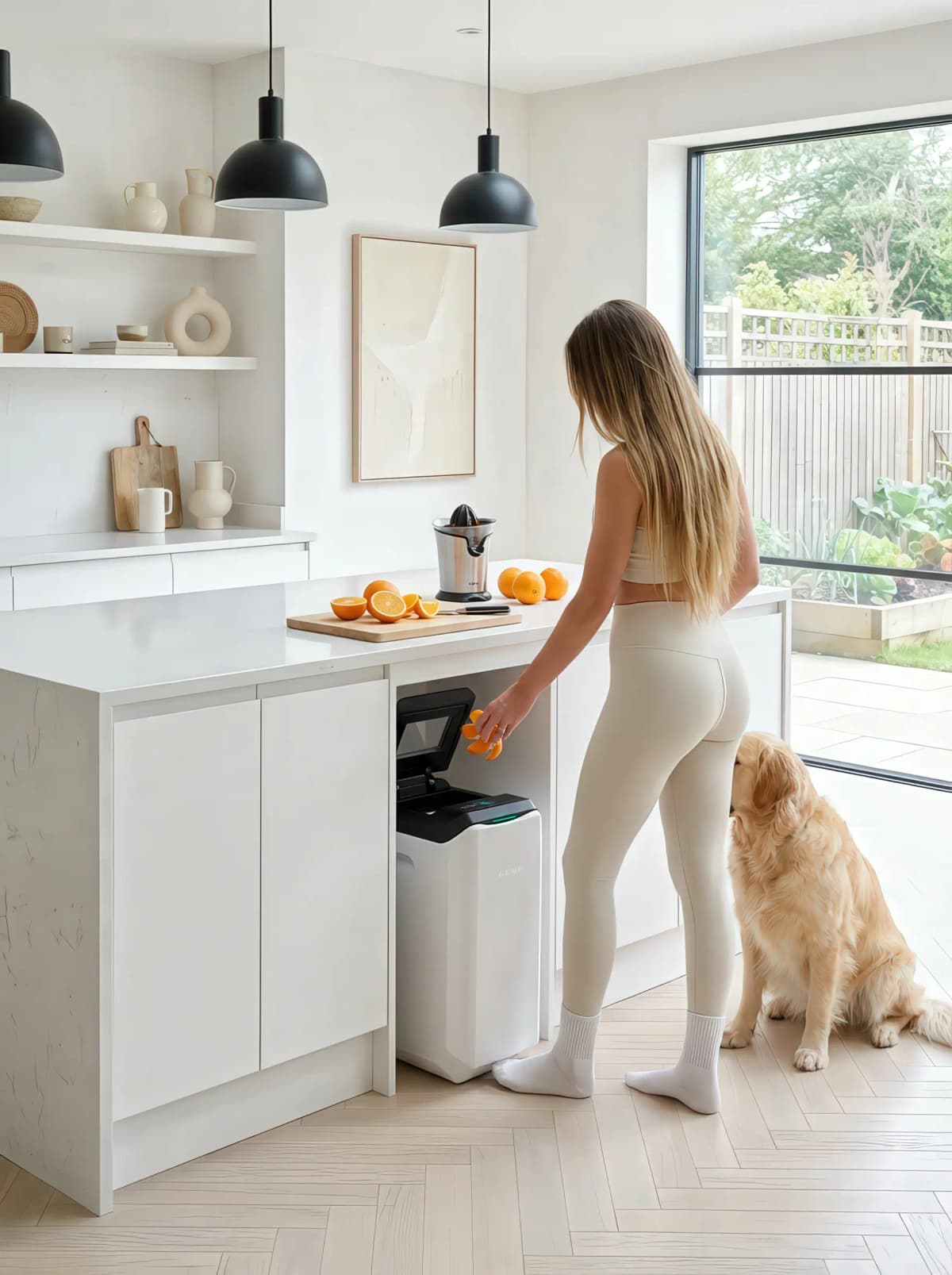
GEME Terra 2 vs Reencle Composter: 2 different Microbial Composting Approaches
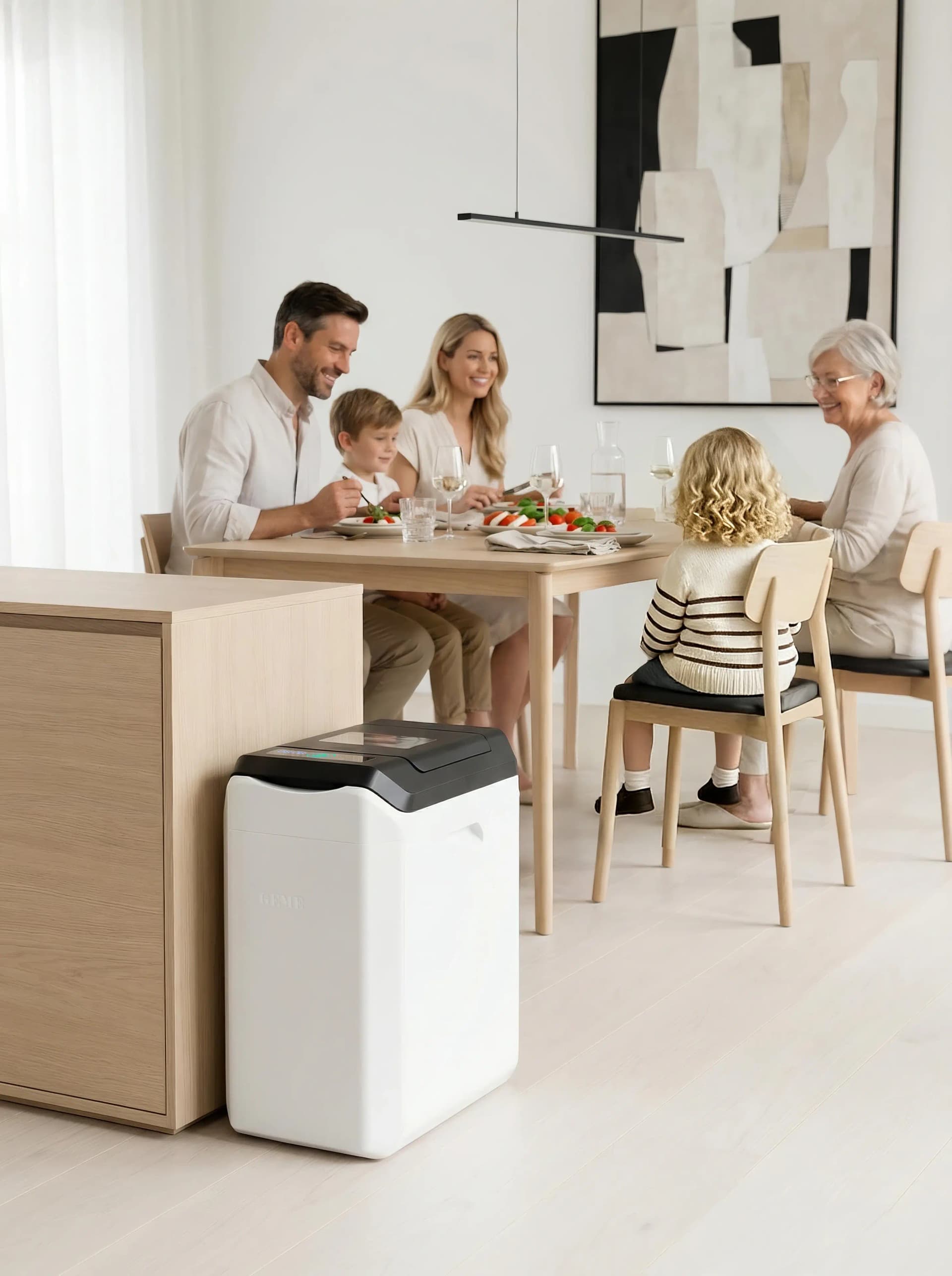
GEME Terra 2 vs Mill Composter: The 2026 Decision Guide
The Best Electric Kitchen Composter of 2026

Mastering the GEME Cycle: An Agronomist’s Guide to Continuous-Flow Compost Application
Geme Terra 2 vs Lomi: Which Countertop Composter Is Better for a Zero Waste Home?
Electric Compost Bin Filters Cost: GEME vs Lomi vs Mill vs Reencle
Bio-Composting Breakthroughs: GEME Terra 2 Debuts, An Easier & Smarter Way To Compost At Home
Can You Compost Bread?
Can I Compost Spoiled or Moldy Fruit Like Grapes? Here's A Practical Guide
Composting Basics: Backyard Compost Pile VS GEME Electric Composter

How Can We Make Bananas Last Longer?
How Long Do Apples Last in The Fridge? An Ultimate Guide For You to Keep Apples Fresh
The Best Kitchen Composter For Reducing Food Waste | Which One is Your Favourite?
Ready to transform your gardening game? Subscribe to our newsletter for expert composting tips and sustainable gardening advice.