What Can You Put in an Electric Composter? Meat, Dairy, Bones (Clear Rules + Hard Limits)

Evidence Header
One-sentence takeaway
Most people don’t need a fantasy list—they need a decision system: meat/dairy can be OK in normal leftovers when the process stays aerobic, but large dense bones and shells are hard limits, and “wet + greasy + dense” loads raise odor risk.
Why it matters in the kitchen
This question decides adoption. If users can’t load real leftovers, they won’t keep the habit. If they load “hard-no” items, they blame the machine. Clear rules protect both user experience and output quality.
What we tested (high-level, no secrets)
We assessed typical leftover categories (cooked meals including meat/dairy) for workflow stability and odor-risk behavior under normal loading, plus failure cases tied to density, hardness, and excess liquids.
What we didn’t test / not claiming
We are not claiming every meat/dairy scenario works equally. We are not publishing microbial composition or control thresholds.
Methods & boundaries
Methods & boundaries → Open GK Verification

1. Problem: “Meat and dairy are forbidden” is outdated—but “everything goes” creates failure
Traditional backyard composting advice often says: avoid meat and dairy because they can attract pests and create odors when composting conditions aren’t controlled.
But a kitchen electric composter is not an open pile:
-
it’s enclosed,
-
it’s managed,
-
and the goal is a stable process.
So the real question becomes:
Which categories are compatible with controlled aerobic digestion, and which are fundamentally not?
See How GEME Composter Works -->
2. Decision: We separate inputs by physics, not by fear
We classify inputs by what actually determines outcomes:
Axis 1: Can it break down biologically in a reasonable time?
Most food can eventually.
Axis 2: Will it break the process before it breaks down?
This is where reality hits:
-
Excess liquids break oxygen flow quickly.
-
Greasy + dense loads compact.
-
Hard mineral/hard collagen structures don’t break down reliably in kitchen timelines.
So we don’t publish a “pretty list.”
We publish rules that prevent the common failure modes.
3. Evidence: The “OK / Conditional / Hard No” rule set (kitchen-executable)
✅ OK (commonly works well)
These match real leftovers and fit the daily habit:
-
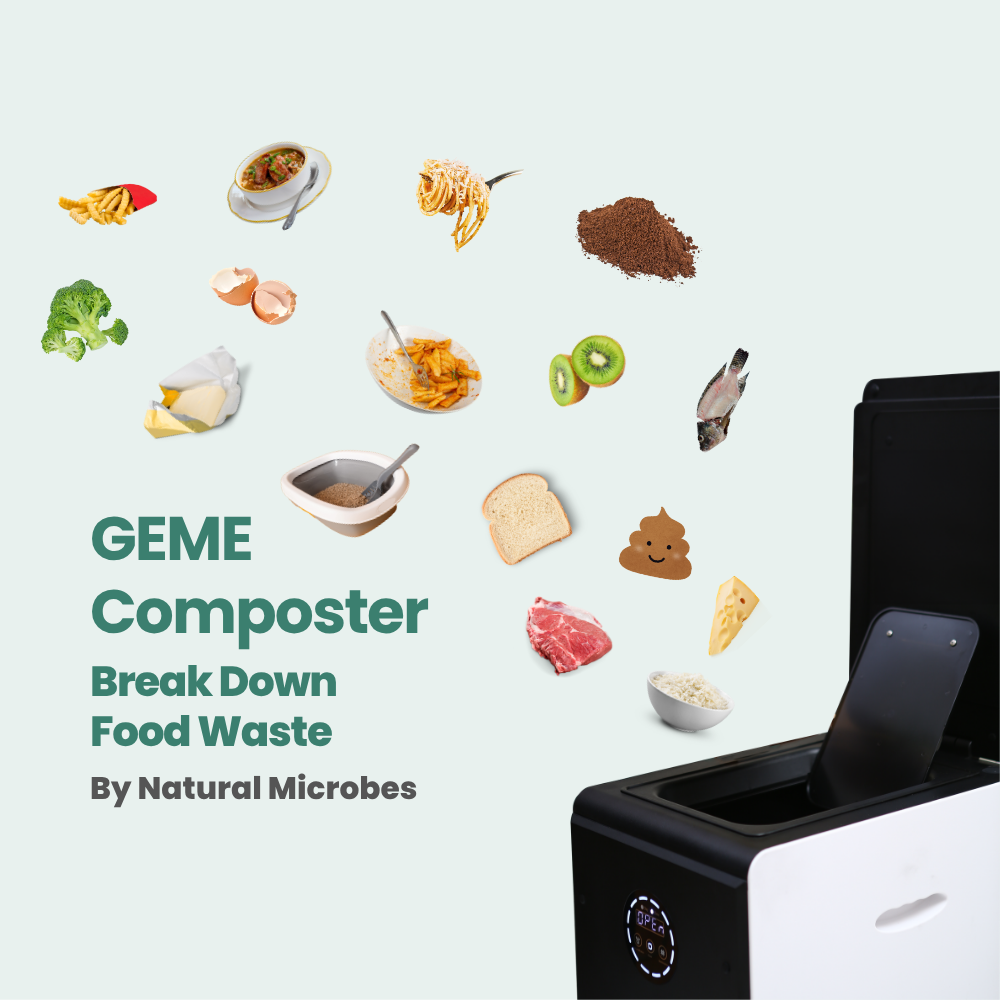
Cooked meals (including meat in normal portions)
-
Dairy as part of mixed leftovers (cheese on food, small amounts mixed in)
-
Bread, rice, pasta, vegetables, fruit
-
Sauces in normal amounts (not liquid dumps)
Why it works: normal leftovers are mixed, not extreme, and the process can remain aerobic when oxygen pathways are protected.
⚠️ Conditional (works if you respect boundaries)
-
Very fatty trimmings (large blobs of fat)
-
Very wet leftovers (soups, stews)
-
Large chunks that create dense, wet pockets
-
Very salty / oily meals loaded repeatedly
How to make “conditional” work?
-
Drain what pours.
-
Avoid “all fat, all wet, all dense” loads.
-
Pace extremes (don’t do back-to-back).
This is not about moral purity, it’s about staying in the aerobic window.
❌ Hard No (physics says no)
-
Large dense bones (too dense to break down reliably)
-
Oyster/clam shells (mineral hardness)
-
Large volumes of free liquids (breaks oxygen transfer)
-
Dumping brine / fryer oil
These aren’t “preferences.” They’re hard limits tied to material hardness, density, and oxygen collapse.

4. So what: The 20-second decision rule (what users actually need)
When you’re holding something and asking “Can this go in?”
Ask three questions:
- Is it food you’d eat?
If yes, it’s often OK—unless it’s mostly liquid, mostly fat, or extremely dense.
- Is it hard like mineral or thick bone?
If yes → hard no.
- Does it pour or pool as liquid?
If yes → drain first (or do not add).
That’s it. You don’t need a 60-line list, you just need three checks.
Trust Stack
-
Start with the 3-minute truth → Real compost vs dehydrator
-
Browse comparisons → Choose what to compare
-
Methods & boundaries → Open GK Verification
-
Ready for the kitchen workflow? → Shop Terra 2
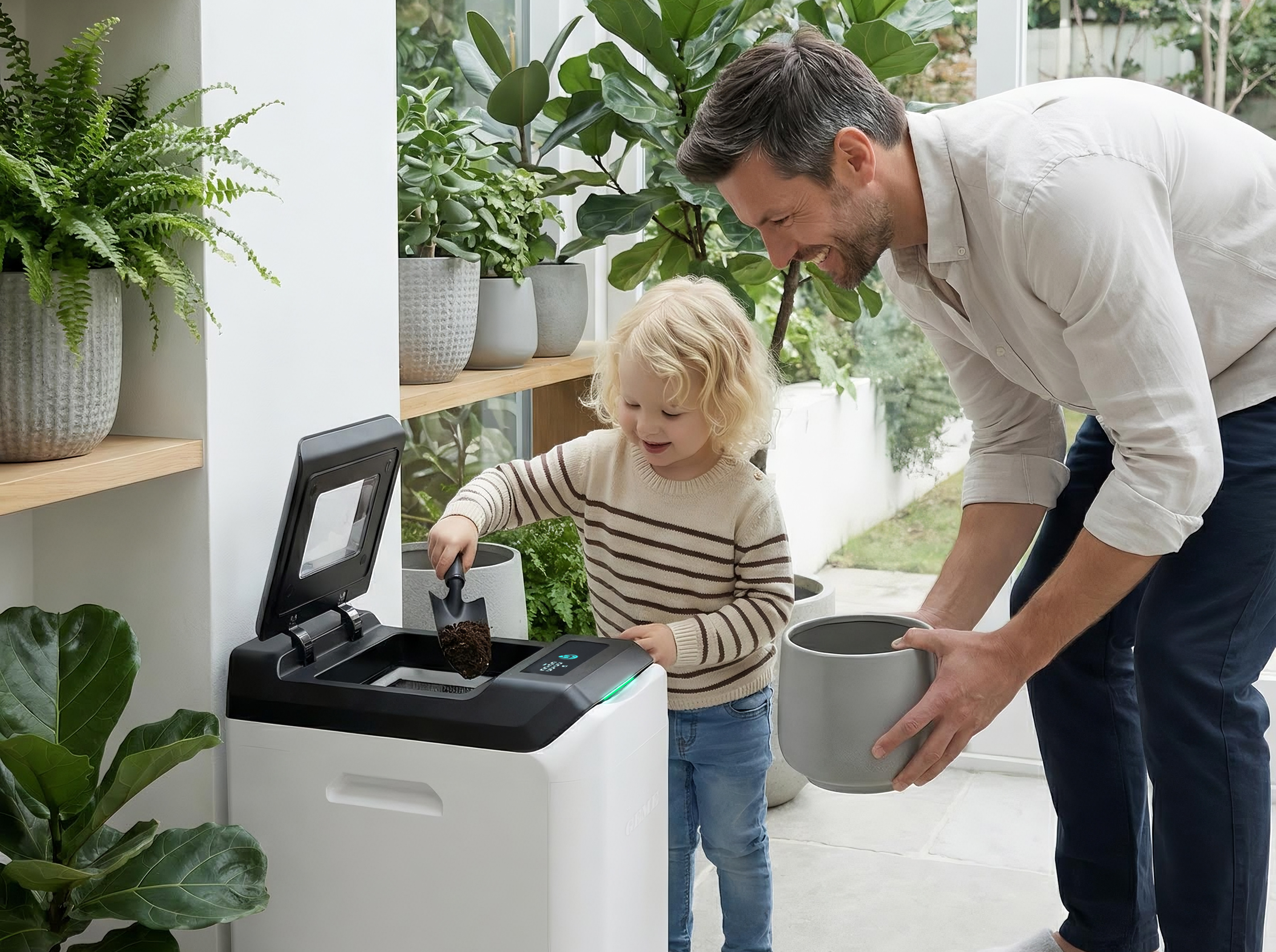
GEME Terra II: Best Kitchen Composter
✅ Best Composter With Permanent Filter
✅ Biologically Active Composting System
✅ Quiet, Odour-Free, Real Compost
✅ Zero Filter Costs, No Refills
✅ Reduces Composting Time to Days
Related Articles

Can an Electric Composter Handle Salt & Oil? (Boundaries + Best Practices)
How to Compost at Home: A Complete Beginner's Guide

Can an Electric Composter Handle Salt & Oil? Boundaries for Real Leftovers (Without the Myths)
The Science of Smell: Why Home Composter Filters Last 3 Months (Not 12)
Mastering the GEME Cycle: An Agronomist’s Guide to Continuous-Flow Compost Application

Countertop Composter Is a Misnomer: Where an Electric Composter Actually Belongs in a Real Kitchen
Top 5 Electric Composters on Amazon: 2026 Buyer’s Guide

GEME Terra II: The Pros and Cons
Top 5 Kitchen Composters: Pros and Cons
GEME Composter Review: Best Indoor Composter 2026
The Best Kitchen Composter Verdict 2026
The Best Composter for Avoiding Recurring Fees: GEME Terra 2 vs. Lomi, Mill, and Reencle

Can I Compost Cut Flowers?
How Long Does Bokashi Take to Compost?

How to Care For Hydrangeas And Change Their Colors
The Best Composter: Daily Operation Comparison (Lomi, Mill, Reencle, GEME)

How Long Does Pizza Last In The Fridge? The Ultimate Leftover Safety Guide
How to Compost Eggshells: The Ultimate Guide to Calcium Gold for Your Garden

How to Compost Coffee Grounds: The Ultimate Guide for Your Garden

Never Buy Carbon Filters for Your Composter

The Best Composter for Fastest Real Compost
How to Compost at Home for Beginners: The Ultimate 2026 Guide

How Long Can Chicken Stay in the Fridge? The Ultimate Guide to Safety, Spoilage, and Sustainable Disposal

How to Reduce Odor: Practical Tips for Indoor Composting That Actually Work
How Long Can Ground Beef Stay In The Fridge
Breaking News: NYC Fines for Food Waste Are Back, 2026

The Best Composter For Small Kitchen

How to Reduce Food Waste During Holiday: A Sustainable Spring Festival Guide
Reencle vs. GEME: The Ultimate Microbial Composter Showdown
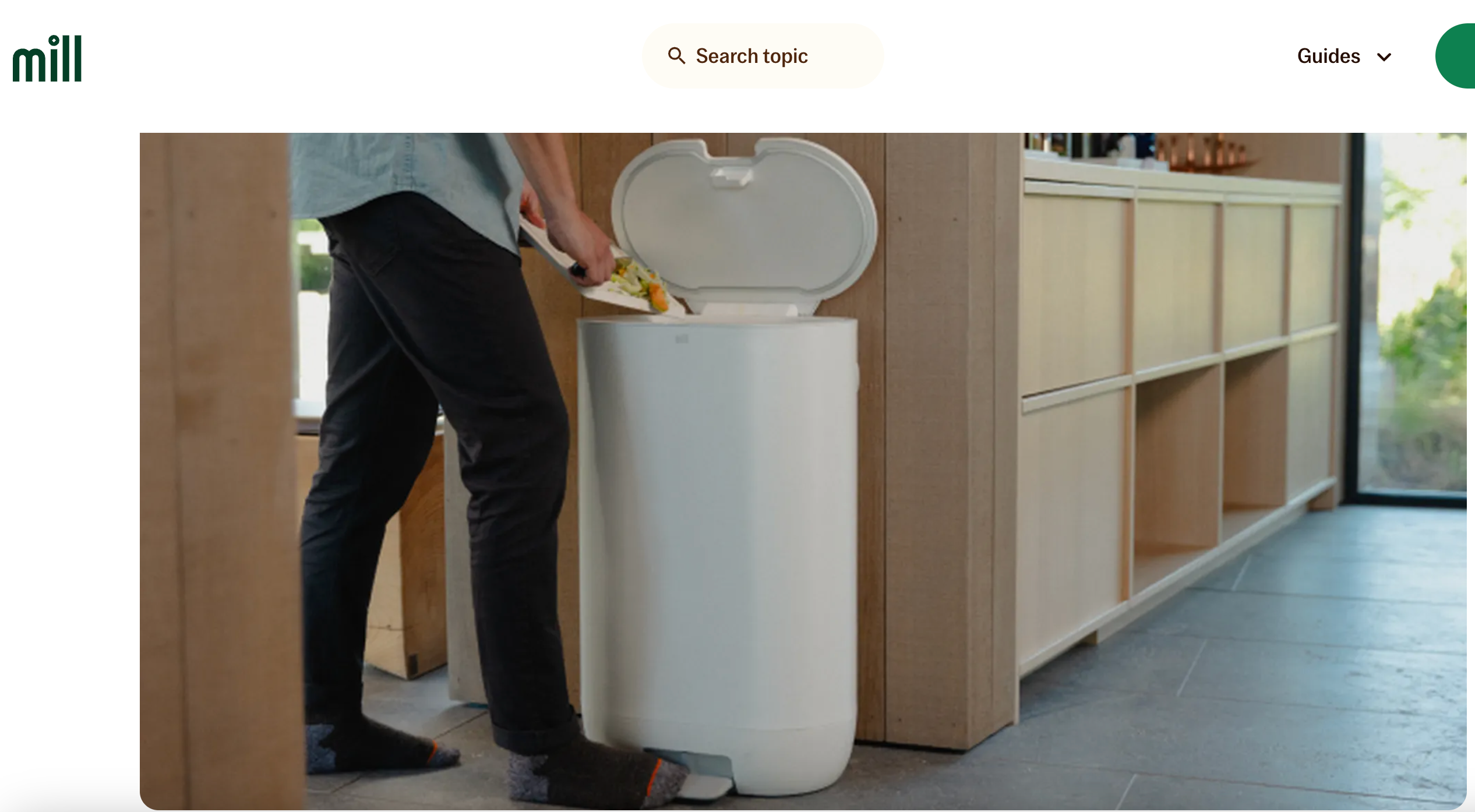
Does Mill Composter Really Compost? Honest Review & Best Kitchen Composter Guide 2026
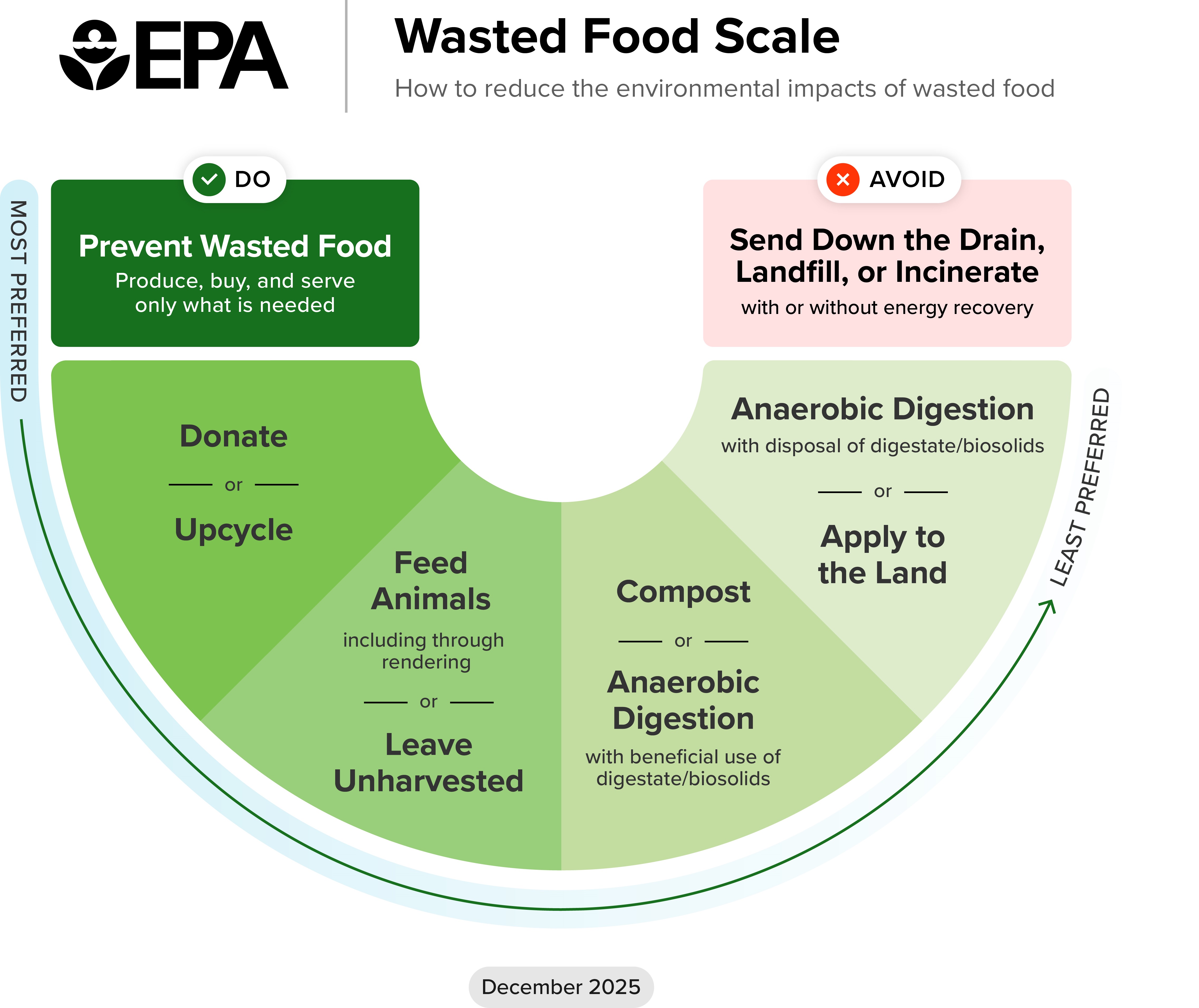
How to Reduce Food Waste at Home (Best Solution 2026)

McDonald’s Free Caviar Kits Raise Concerns of Food Waste | 2026 Composting Insights

Winter Composting Crisis: How the 2026 Bomb Cyclone Makes Indoor Composting Essential
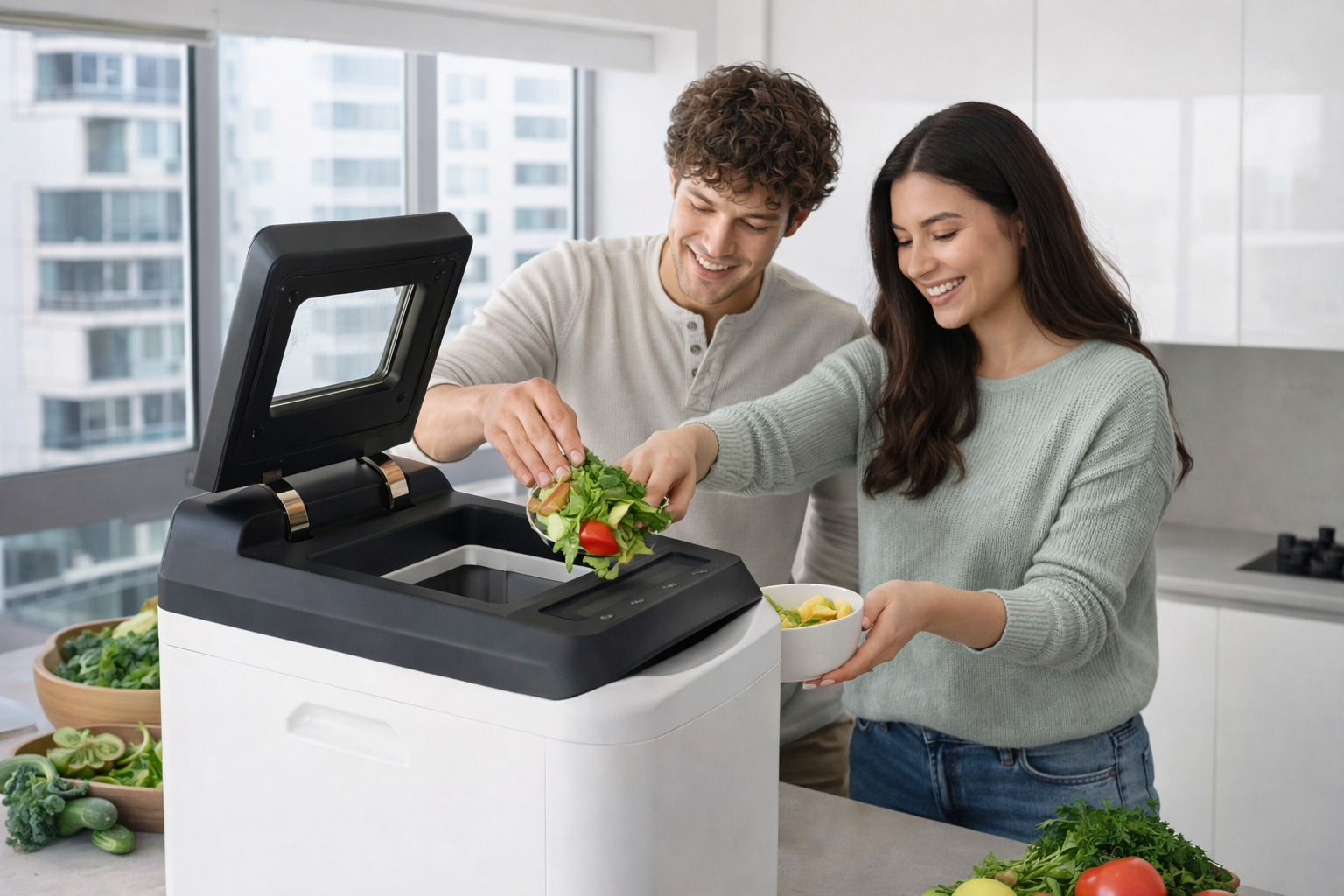
How to Compost in an Apartment (Best Solution 2026)

Zero-Waste Lifestyle Starts in Your Kitchen: How to Reduce Food Waste with GEME Terra 2 (Best Kitchen Composter Guide)
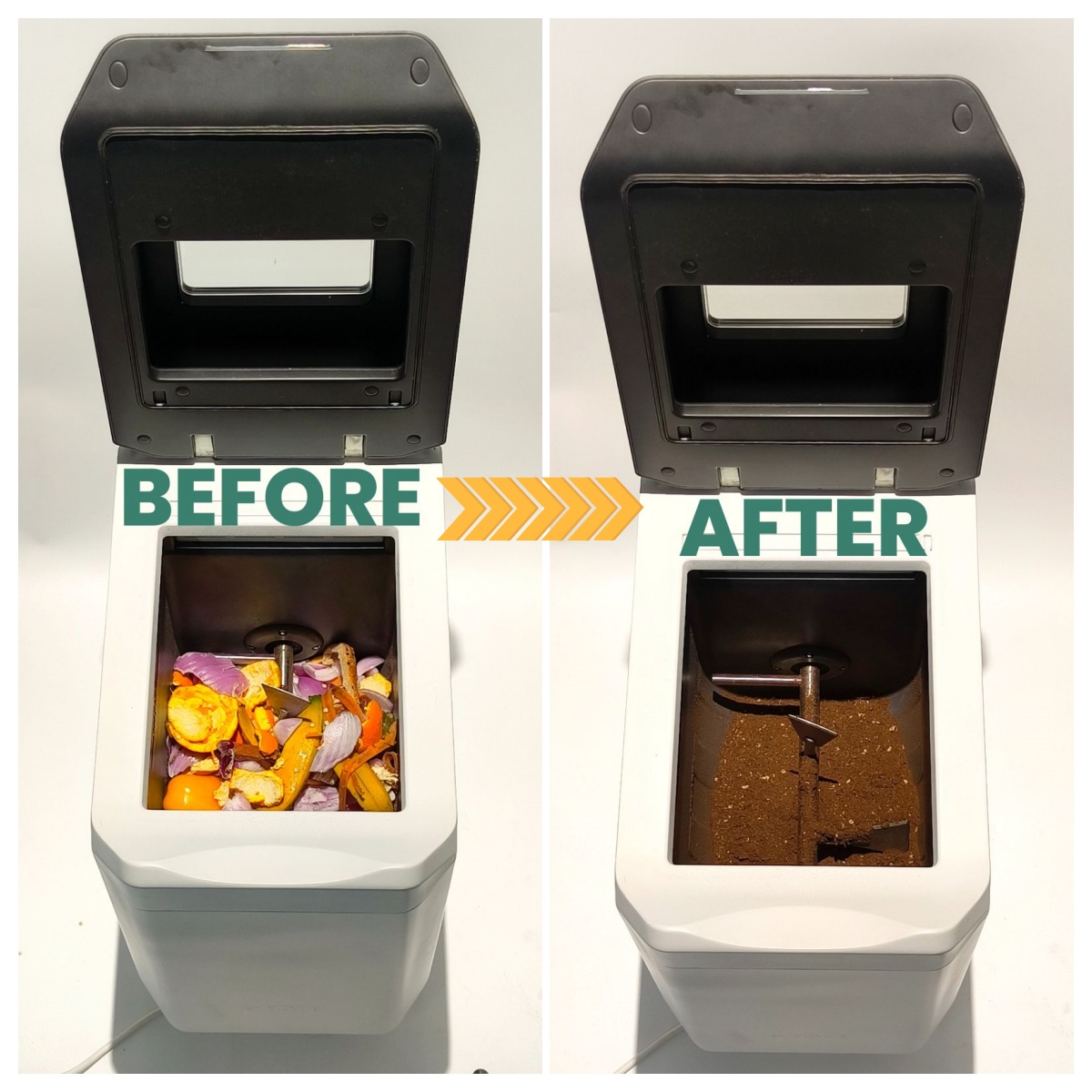
Does the Lomi Composter Really Compost? Lomi vs GEME Terra 2
Top 5 Kitchen Composters in 2026
Best Kitchen Composters in 2026: GEME Terra II Redefines “Real Compost”
GEME Terra 2 vs Reencle Composter: 2 different Microbial Composting Approaches
GEME Terra 2 vs Mill Composter: The 2026 Decision Guide
The Best Electric Kitchen Composter of 2026

Mastering the GEME Cycle: An Agronomist’s Guide to Continuous-Flow Compost Application
Geme Terra 2 vs Lomi: Which Countertop Composter Is Better for a Zero Waste Home?
Electric Compost Bin Filters Cost: GEME vs Lomi vs Mill vs Reencle
Bio-Composting Breakthroughs: GEME Terra 2 Debuts, An Easier & Smarter Way To Compost At Home
Can You Compost Bread?
Can I Compost Spoiled or Moldy Fruit Like Grapes? Here's A Practical Guide
Composting Basics: Backyard Compost Pile VS GEME Electric Composter

How Can We Make Bananas Last Longer?

How Long Do Apples Last in The Fridge? An Ultimate Guide For You to Keep Apples Fresh
The Best Kitchen Composter For Reducing Food Waste | Which One is Your Favourite?
Ready to transform your gardening game? Subscribe to our newsletter for expert composting tips and sustainable gardening advice.